Laser Hair Removal & Skin Tone: What I Actually Check Before Treating You
Firdos Khairunnessa · 5 min read
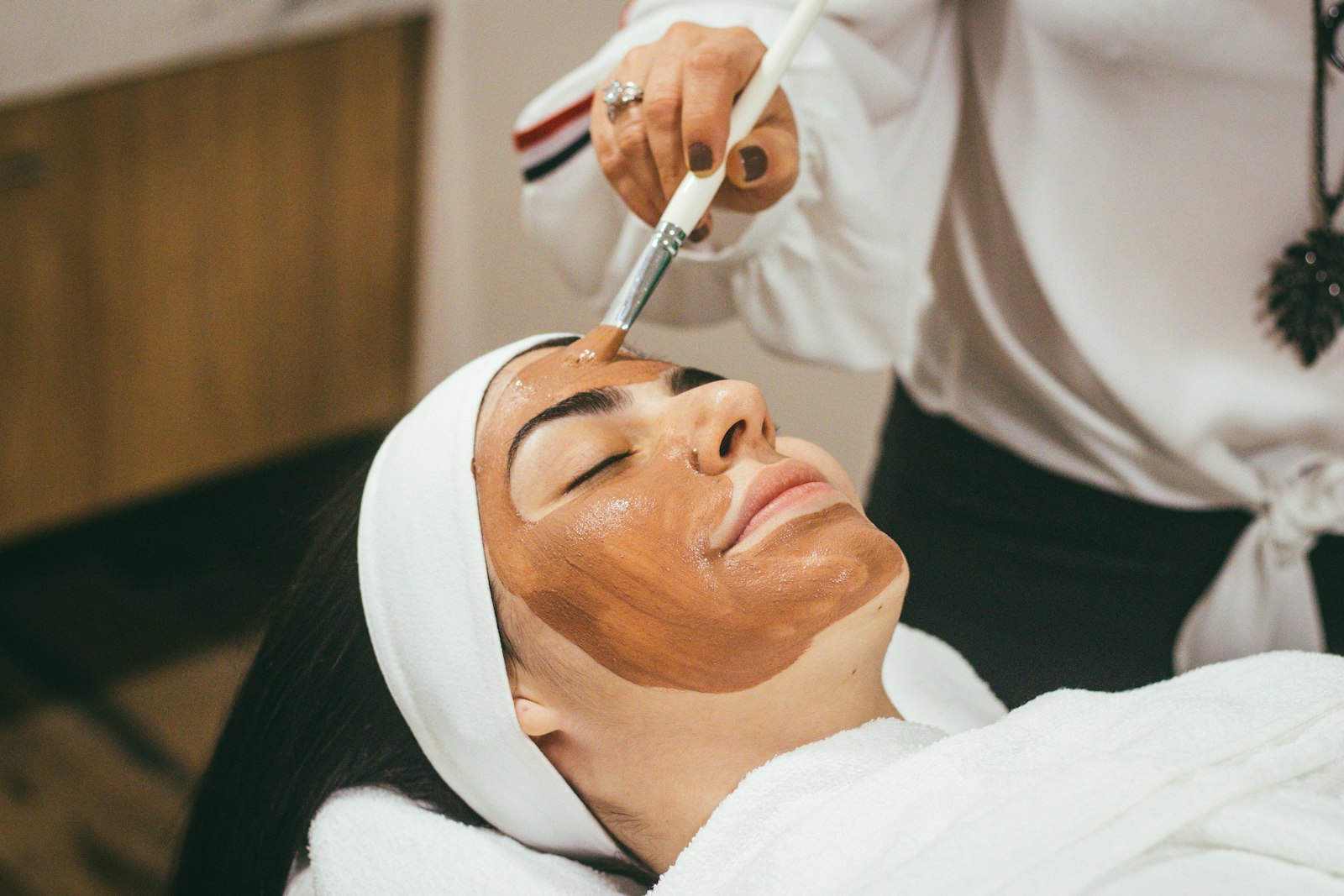
A practitioner's note on why one machine, one setting, and one assumption can quietly fail darker skin — and how we do it differently.
Why this conversation keeps coming up
In fifteen years of practice, the women who sit down most cautiously in my treatment chair are almost always Fitzpatrick IV, V or VI. They have been turned away from a chain clinic, burned by an old IPL machine, or simply told we can't do your skin. So when someone with deeper melanin asks me whether laser hair removal is safe for them, I take that question seriously. The honest answer is: yes — but only with the right device, the right settings, and a practitioner who understands the physics of what's actually happening on your skin.
What the laser is actually targeting
Laser hair removal works on a principle called selective photothermolysis. A precise wavelength of light is absorbed by melanin in the hair shaft, heats the follicle, and damages its ability to produce new hair. The trouble for deeper skin tones is that melanin also lives in the surrounding skin — and an older or poorly-calibrated machine cannot tell the difference between hair melanin and skin melanin. That is how burns, hyperpigmentation and patchy depigmentation happen.
Why I use an Nd:YAG wavelength for deeper tones
At the studio we use a diode laser platform with the option of Nd:YAG (1064nm). The Nd:YAG wavelength penetrates deeper and is far less absorbed by skin-surface melanin. In plain English: it travels past the skin and goes after the hair, leaving the surrounding pigment alone. For Fitzpatrick IV–VI it is the safe choice, and it is non-negotiable in my room.
The patch test is not optional
Every first-time client has a patch test 24 to 48 hours before their first full session — regardless of skin tone. I treat a small area, ask you to come back, and look for the response. On deeper tones I am specifically looking for any post-inflammatory hyperpigmentation, lingering redness past 24 hours, or textural change. If I see any of these, we lower the fluence or change the pulse duration. I would rather lose 48 hours than risk months of pigmentation correction.
What you can do before your appointment
The most common reason a session goes badly has nothing to do with the laser — it is what the client did the week before. Shave, do not wax, pluck or epilate in the four weeks leading up. Stop retinoids for seven days. Avoid sun exposure and self-tan for two weeks (the laser cannot distinguish between melanin and DHA tan). Disclose any new medication — particularly antibiotics, retinoids, and anything that mentions photosensitivity on the leaflet. None of this is fussy. It is the difference between a clean result and a complication.
What realistic results look like
Most clients see meaningful reduction after three sessions. A full course is six to eight sessions spaced four to six weeks apart for body, six to eight weeks for face. After that, most clients need a maintenance session once or twice a year. Anyone telling you laser is permanent in a single course is not being straight with you. Hormones, age and genetics will always have a vote.
If you have been told no by another clinic, please come and have a conversation. The right answer is rarely no — it is usually not with that machine.